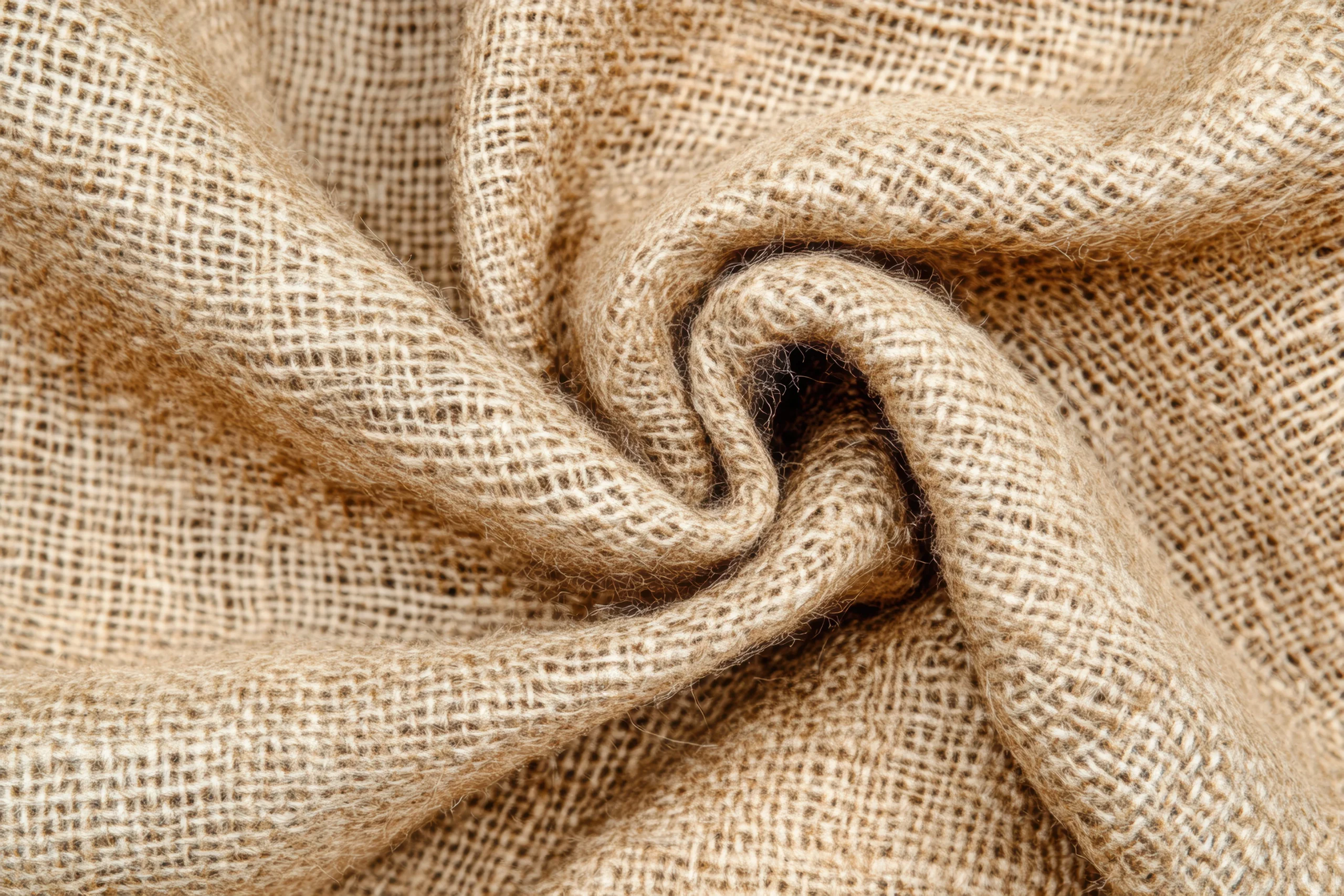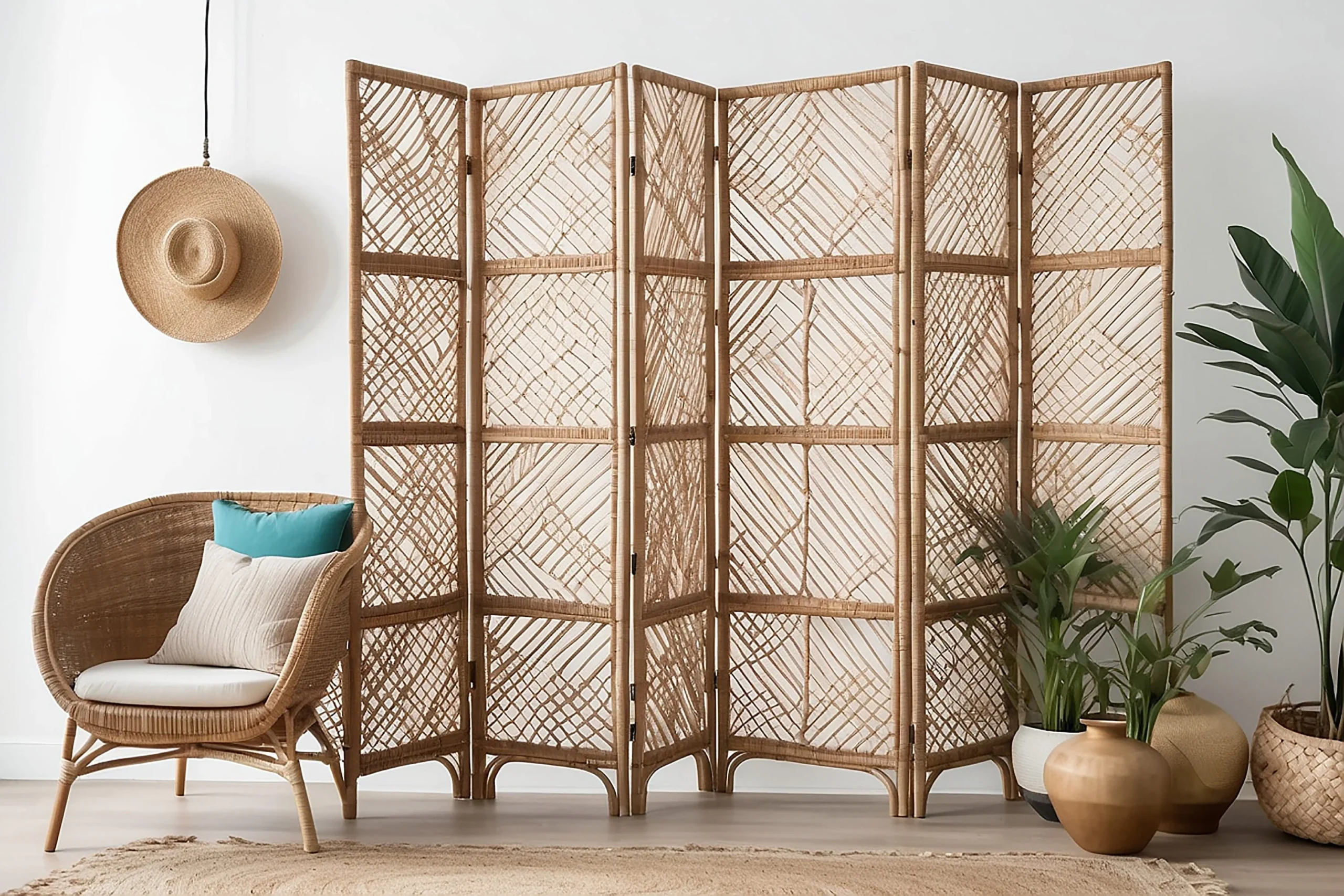
Jute panels are becoming an increasingly popular material in modern interior design. Known for their natural texture and eco-friendly composition, these panels offer both aesthetic value and practical functionality. Designers are constantly exploring new ways to incorporate natural materials into interior spaces, and jute panels provide a unique solution.
Businesses connected to the jute industry, such as Kelvin Jute Pvt. Ltd., are helping introduce innovative jute-based products that can be used in a wide variety of design applications.
Why Designers Prefer Natural Materials
Modern design trends focus heavily on creating spaces that feel natural, comfortable, and visually appealing. Materials derived from nature often provide warmth and texture that synthetic products cannot replicate.
Key Advantages of Natural Fiber Panels
- Organic and unique texture
- Visually warm and inviting appearance
- Versatile design applications
- Environmentally responsible material
These qualities make jute panels a great option for both residential and commercial spaces.
Popular Interior Applications
Jute panels can be used in many parts of a building’s interior. Their flexibility allows designers to experiment with creative ideas while maintaining a natural aesthetic.
1. Decorative Wall Panels
Feature walls are one of the most common uses of jute panels. The natural fiber patterns create visual depth and make walls more interesting without overwhelming the space.
2. Interior Partitions
Jute panels are ideal for dividing spaces while maintaining an open feel. In offices or open living areas, partitions made from jute panels provide structure without blocking natural light.
3. Furniture Surfaces
Furniture designers also incorporate jute panels into cabinets, shelves, and decorative furniture pieces. The texture adds a distinctive character to modern furniture designs.
Blending Jute with Other Materials
Another advantage of jute panels is their ability to combine well with other materials.
Designers often pair them with:
- Wood for a rustic or natural look
- Metal for modern industrial designs
- Stone for a balanced and earthy interior style
These combinations create visually balanced spaces that feel both modern and natural.
Growing Interest in Natural Interiors
As more people become aware of the environmental impact of synthetic materials, natural fiber products are becoming more popular in interior design. Jute panels provide designers with a material that is both functional and visually appealing.
Their versatility, durability, and natural beauty ensure they will continue to play an important role in the future of interior design.
Jute panels are becoming an increasingly popular material in modern interior design. Known for their natural texture and eco-friendly composition, these panels offer both aesthetic value and practical functionality. Designers are constantly exploring new ways to incorporate natural materials into interior spaces, and jute panels provide a unique solution.
Businesses connected to the jute industry, such as Kelvin Jute Pvt. Ltd., are helping introduce innovative jute-based products that can be used in a wide variety of design applications.
Why Designers Prefer Natural Materials
Modern design trends focus heavily on creating spaces that feel natural, comfortable, and visually appealing. Materials derived from nature often provide warmth and texture that synthetic products cannot replicate.
Key Advantages of Natural Fiber Panels
- Organic and unique texture
- Visually warm and inviting appearance
- Versatile design applications
- Environmentally responsible material
These qualities make jute panels a great option for both residential and commercial spaces.
Popular Interior Applications
Jute panels can be used in many parts of a building’s interior. Their flexibility allows designers to experiment with creative ideas while maintaining a natural aesthetic.
1. Decorative Wall Panels
Feature walls are one of the most common uses of jute panels. The natural fiber patterns create visual depth and make walls more interesting without overwhelming the space.
2. Interior Partitions
Jute panels are ideal for dividing spaces while maintaining an open feel. In offices or open living areas, partitions made from jute panels provide structure without blocking natural light.
3. Furniture Surfaces
Furniture designers also incorporate jute panels into cabinets, shelves, and decorative furniture pieces. The texture adds a distinctive character to modern furniture designs.
Blending Jute with Other Materials
Another advantage of jute panels is their ability to combine well with other materials.
Designers often pair them with:
- Wood for a rustic or natural look
- Metal for modern industrial designs
- Stone for a balanced and earthy interior style
These combinations create visually balanced spaces that feel both modern and natural.
Growing Interest in Natural Interiors
As more people become aware of the environmental impact of synthetic materials, natural fiber products are becoming more popular in interior design. Jute panels provide designers with a material that is both functional and visually appealing.
Their versatility, durability, and natural beauty ensure they will continue to play an important role in the future of interior design.