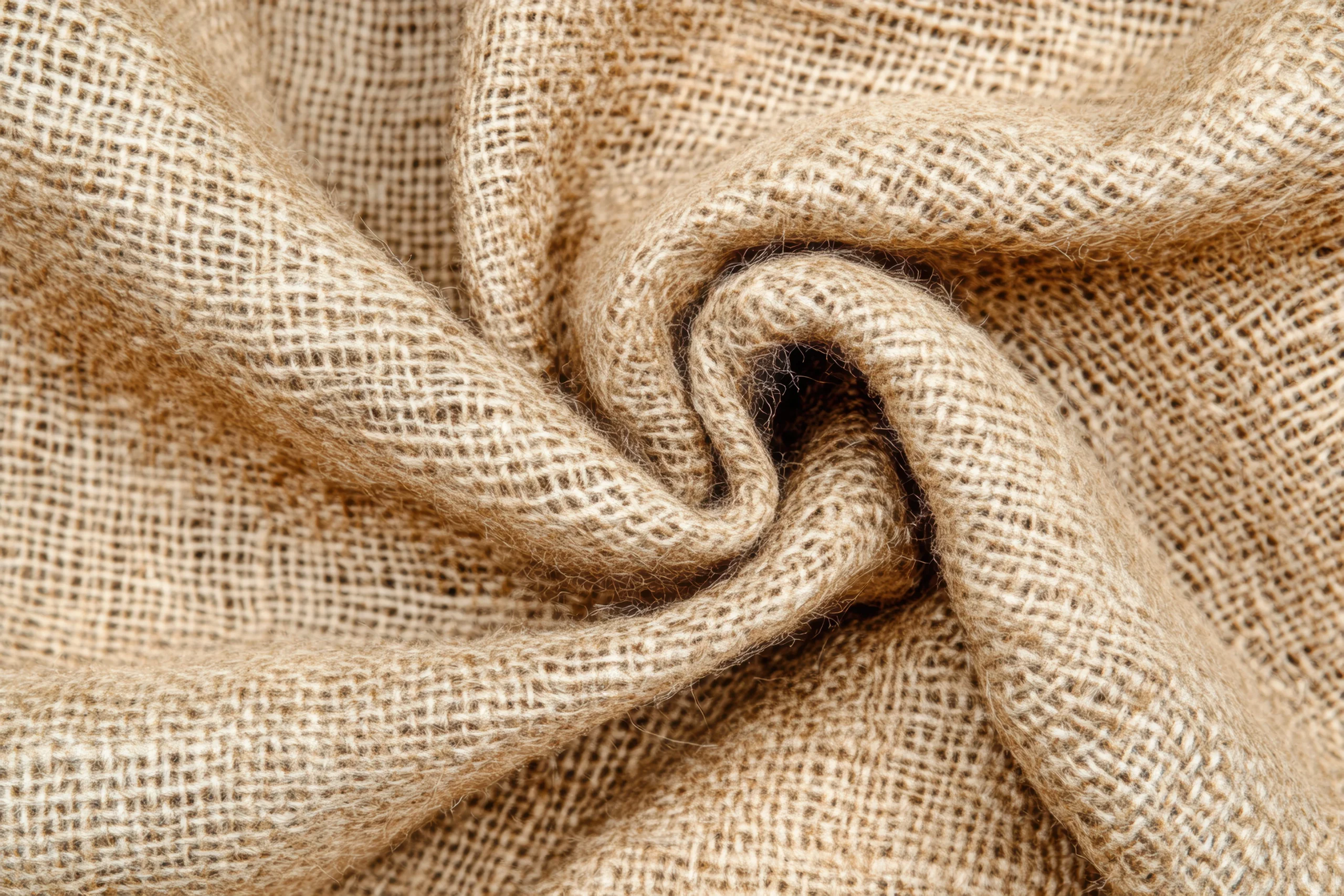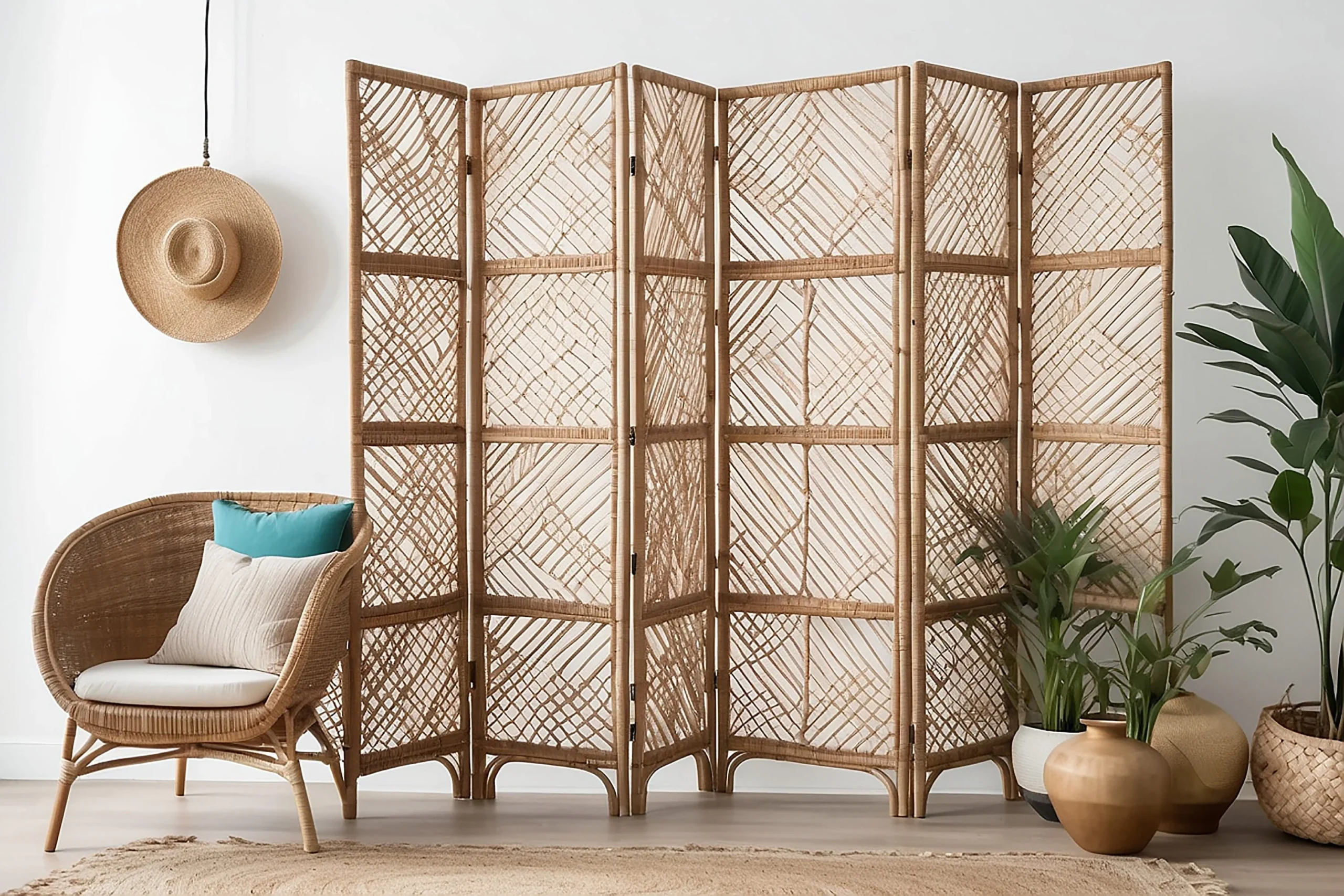
Jute panels are created through a manufacturing process that transforms natural jute fibers into durable and versatile boards. This process combines traditional natural materials with modern engineering techniques.
Understanding how jute panels are made helps highlight their strength and versatility.
Step 1: Cultivation of Jute Plants
The process begins with the cultivation of jute plants, which grow primarily in warm and humid climates.
Jute is considered a highly renewable fiber because:
- It grows quickly
- It requires relatively few chemical fertilizers
- It absorbs significant amounts of carbon dioxide during growth
Step 2: Fiber Extraction
Once the plants mature, the fibers are extracted from the stems through a process called retting. This process separates the fibers from the plant structure.
The extracted fibers are then cleaned and prepared for manufacturing.
Step 3: Fiber Processing
The prepared fibers are arranged into layers and combined using specialized techniques.
This stage helps create the base structure of the jute panel.
Important Manufacturing Factors
Manufacturers focus on several factors to ensure quality:
- Fiber alignment
- Proper compression levels
- Structural stability
These elements determine the final strength and durability of the panels.
Step 4: Panel Formation
The fiber layers are compressed under controlled pressure to create solid boards. This process transforms loose fibers into stable and usable panels.
Manufacturers like Kelvin Jute Pvt. Ltd. use advanced production methods to ensure consistent product quality.
Final Applications
After manufacturing, jute panels can be used for various purposes, including:
- Interior wall panels
- Furniture components
- Decorative surfaces
- Industrial design products
This versatility makes jute panels valuable across many industries.